
How to Get More Clients for Your Small Business in Kent
A lot of small businesses in Kent aren’t struggling because they’re bad at what they do.
Usually, they’ve just become a bit invisible.
That sounds harsh, but honestly, it happens more than people think. Especially when you’re busy actually running the business. You’re replying to emails, doing the work itself, sorting invoices, trying to keep customers happy… then somewhere along the line the marketing becomes “I’ll sort that next week”.
Then next week turns into six months. And the frustrating part is, a lot of genuinely good businesses end up looking quieter than they really are.
Getting more clients normally isn’t about finding one magical strategy nobody else knows about. Most of the time it’s smaller things done consistently enough that people start recognising your business, hearing your name in the right places, and trusting you before they even contact you.
That’s really what local growth tends to look like now.
Most people won’t contact you the first time they come across your business
This is something business owners massively underestimate. People rarely see your business once and immediately enquire anymore. Occasionally, yes. But not often.
Usually they:
- notice your business somewhere
- forget about it
- see you again a few weeks later
- check your website
- maybe follow you online quietly
- ask someone if they’ve heard of you
Only then do they finally get in touch. It’s why visibility matters so much now. Not loud visibility necessarily. Just consistent visibility.
Familiarity does a lot of the heavy lifting
People trust businesses they recognise. Simple as that really.
You’ve probably done it yourself without thinking. Chosen a company because you’d “seen them around a bit” even if you couldn’t fully remember where.
That’s how local business works.
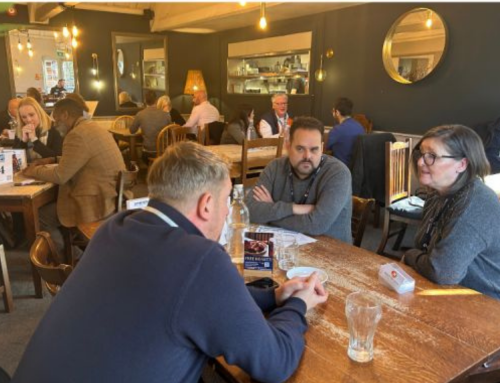
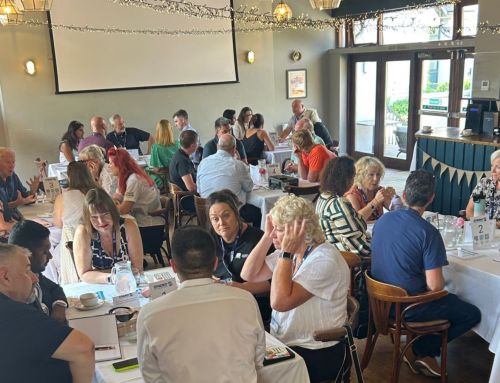
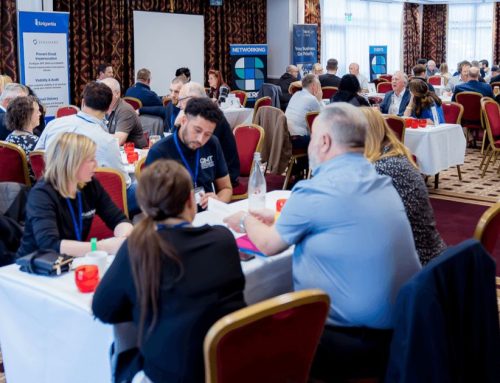
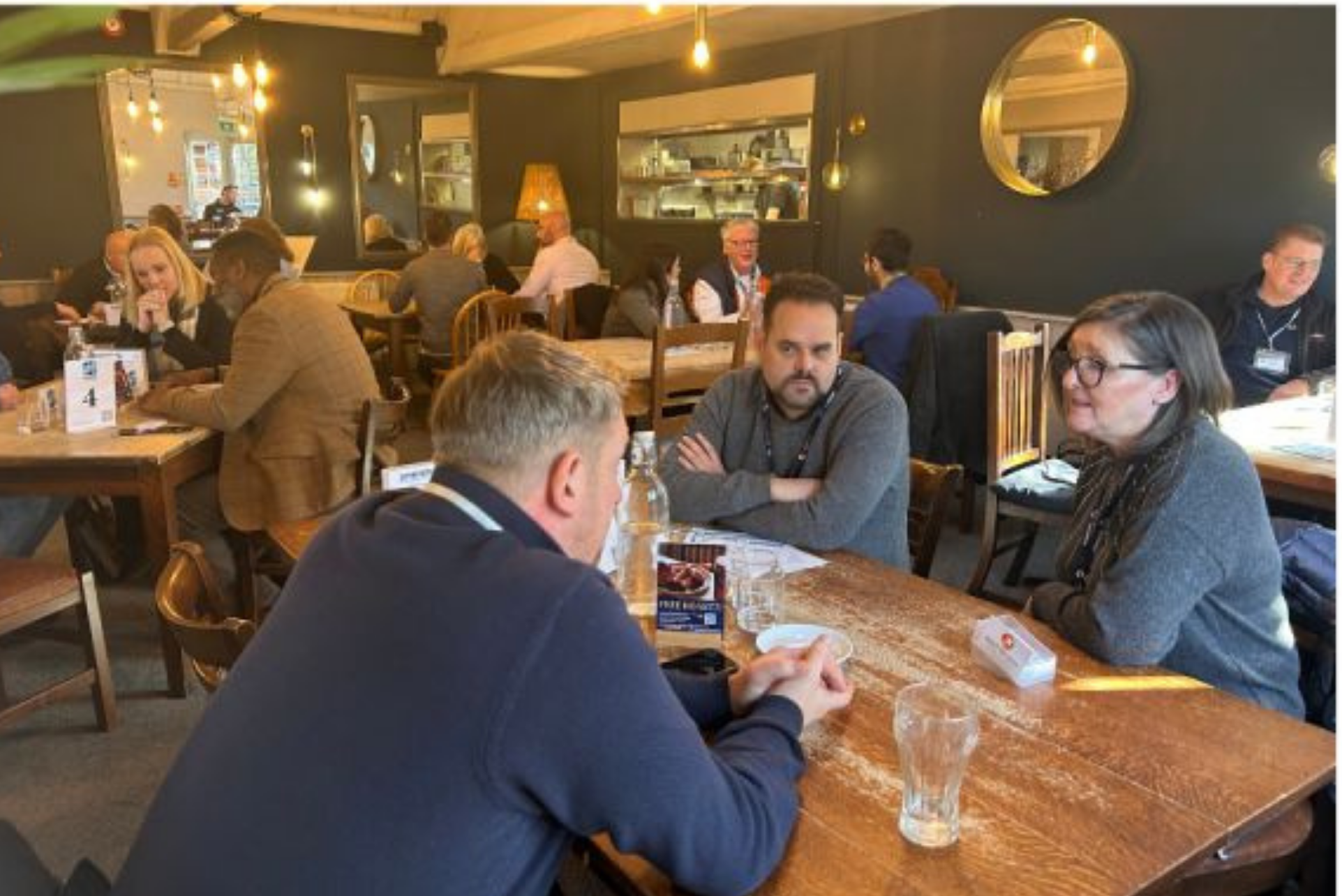
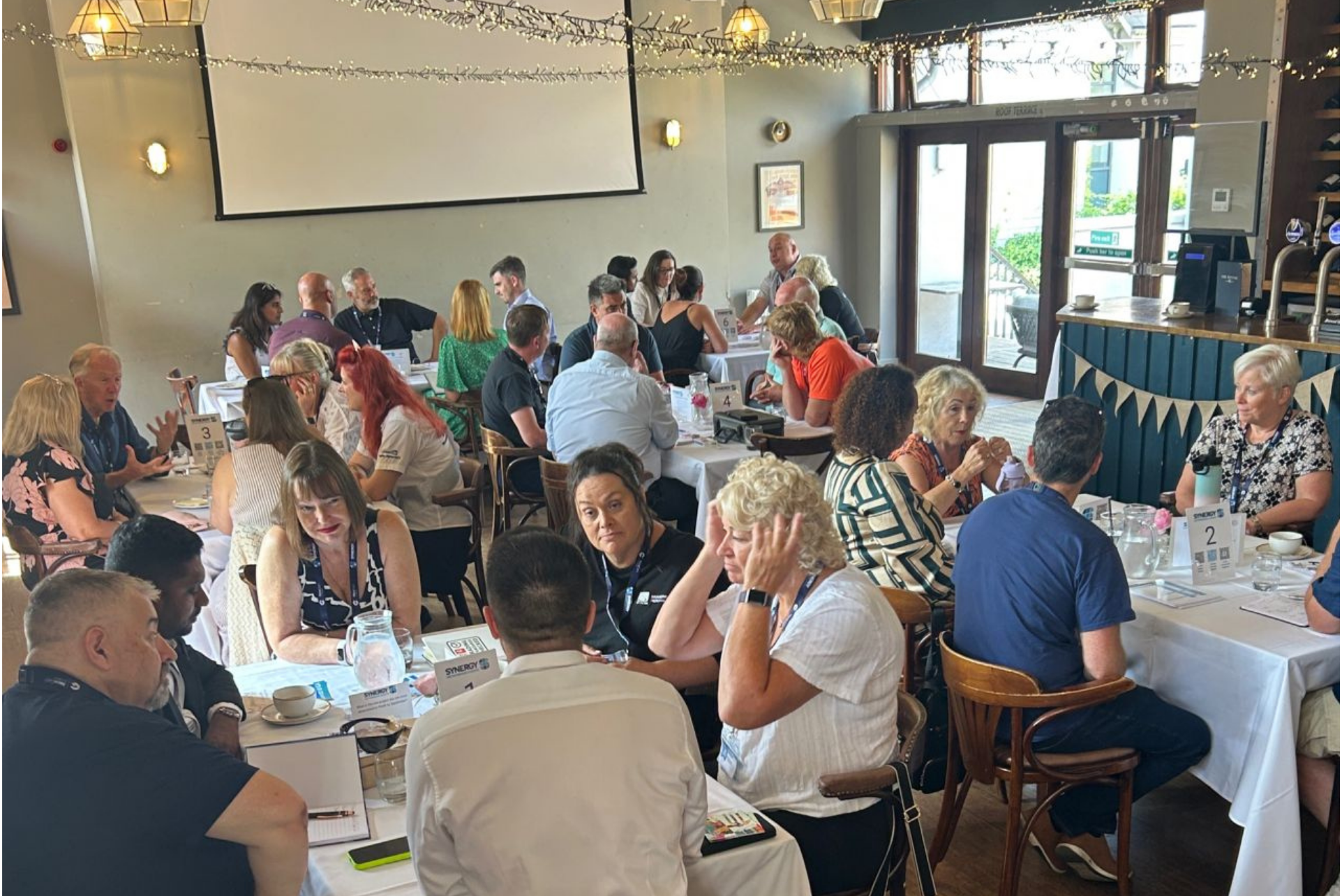
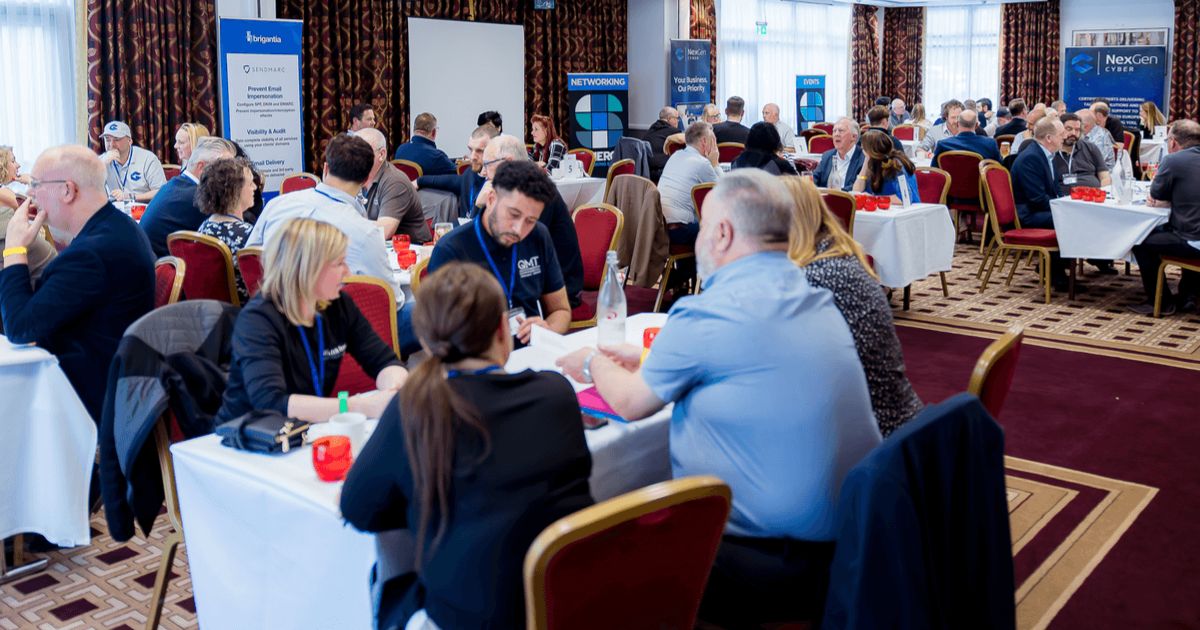
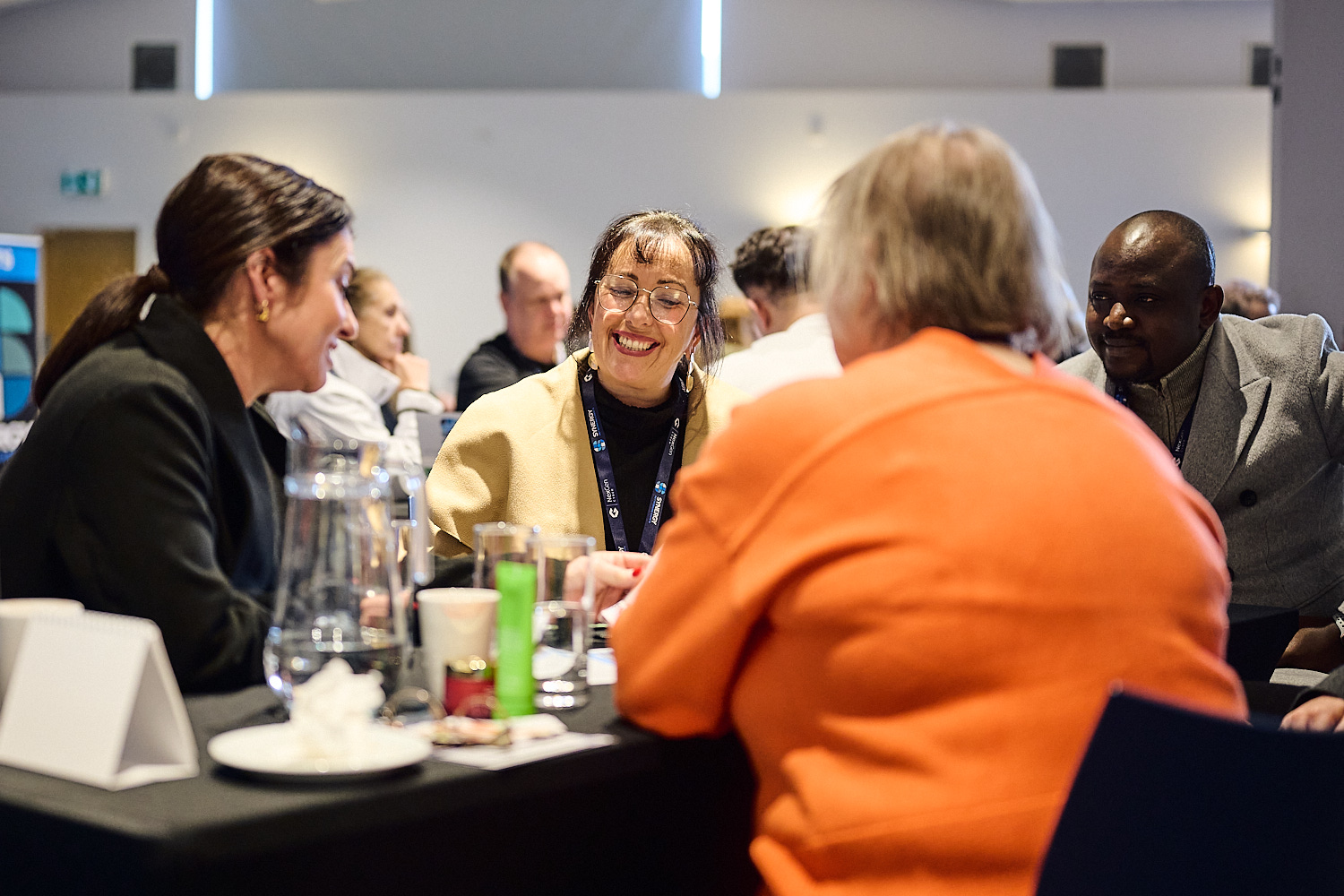
Particularly in Kent, where business communities overlap constantly. Someone sees you at a networking event in Maidstone, then spots your content online, then hears your name again from someone in Ashford. Suddenly you feel established.
Even if technically they’ve never worked with you before.
Most small businesses don’t actually need more marketing first
They need clearer messaging.
Bit of an unpopular opinion maybe, but loads of businesses jump straight into SEO, ads, social media strategies and content plans before fixing the basics.
Meanwhile their website still doesn’t properly explain what they do.
If people are confused, they leave
Sounds obvious, but websites often try too hard to sound impressive.
You end up with vague phrases like:
“tailored solutions”
“bespoke services”
“customer-focused approach”
And after reading three paragraphs, people still don’t actually know what the business does.
Clear beats clever nearly every time.
People want quick reassurance:
- Can you help me?
- Do you work locally?
- Are you experienced?
- Do you seem trustworthy?
- How do I contact you?
That’s it.
Your website doesn’t need to win awards
Honestly, some businesses overthink this part massively.
You don’t need a flashy website with animations flying around the screen. Most local businesses really don’t.
But you do need a website that feels current. Easy to use. Human.
A slightly simple website that’s clear will outperform a confusing “fancy” one most days of the week.
Businesses grow faster when they become known somewhere specific first
Trying to market yourself to “everyone across the South East” straight away usually just waters everything down.
It’s much easier to build momentum locally first.
Maybe that’s Medway.
Or Whitstable.
Or Tunbridge Wells.
Or several nearby towns where your type of customer already exists naturally.
Once people repeatedly associate your business with an area, referrals start happening far more naturally.
Local reputation spreads quietly
One thing people forget about networking and local visibility is how often opportunities happen indirectly.
Someone might never become your customer personally but still refer you later because they remember you seemed approachable. Or knowledgeable. Or just normal to talk to.
That matters more than polished sales pitches.
In fact, some of the most successful local businesses aren’t the loudest ones at all. They’re just the businesses people feel comfortable recommending.
There’s a difference.
Networking works better when you stop trying to “network”
Bit of a weird sentence, but it’s true.
People can feel when someone’s only talking to them hoping for a sale five minutes later.
And most people switch off from that pretty quickly.
The businesses that seem to get the best results from networking are usually the ones treating it more like relationship building than lead generation.
The follow-up matters more than the event itself
This catches newer networkers out all the time.
They attend one event, have some decent conversations, then expect enquiries immediately.
Usually that’s not how it works.
The real value tends to come afterwards:
- grabbing coffee with someone later
- connecting on LinkedIn
- getting introduced to somebody else
- seeing the same faces repeatedly over time
That’s where trust starts building properly.
And honestly, this is why more relaxed networking groups tend to work well for smaller businesses. People behave more naturally when they’re not trying to force referrals across a breakfast table at 7am.
The side conversations are usually where the good stuff happens
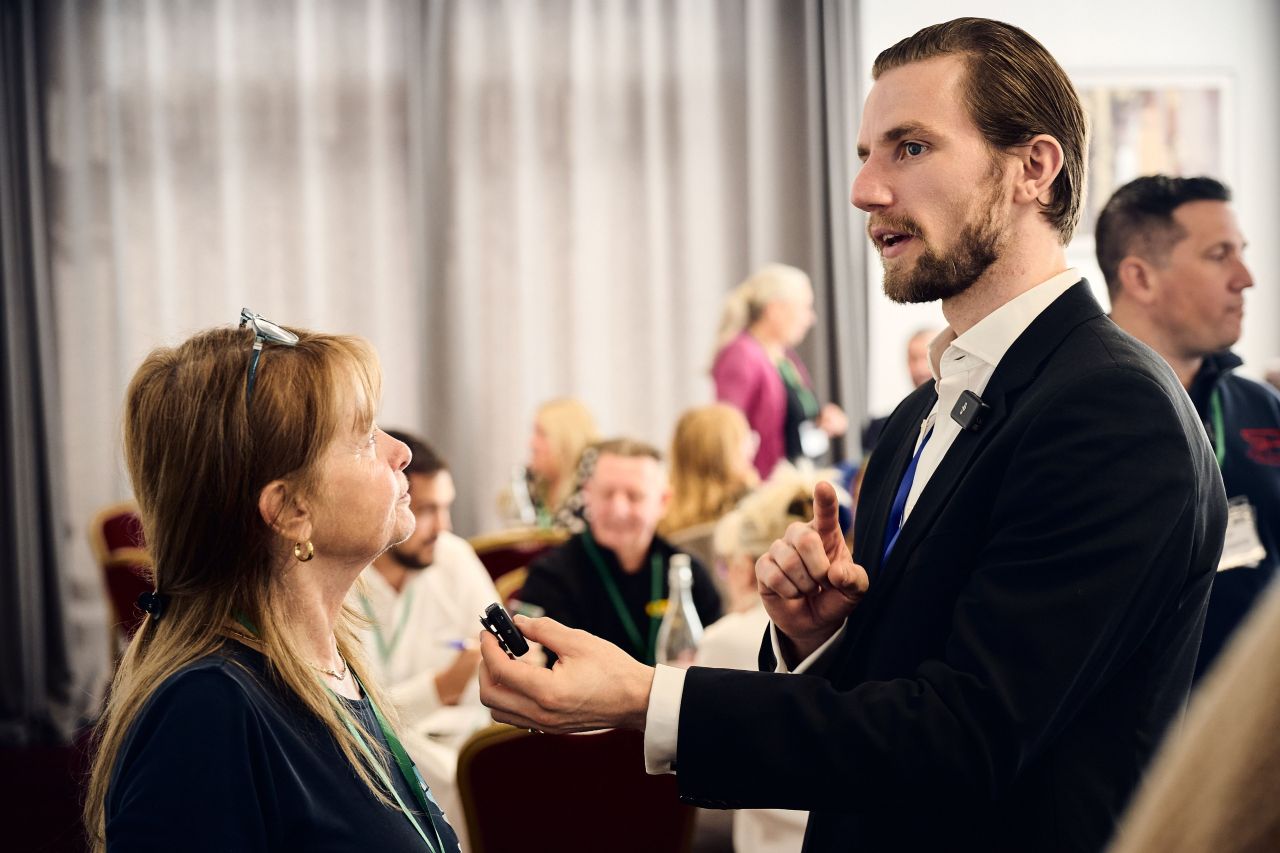
Not even joking, some of the best business conversations happen while waiting for coffee or walking back to the car park afterwards.
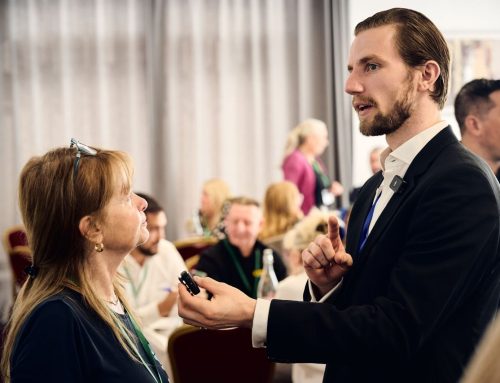
That’s where people stop doing the “business version” of themselves for a minute. And those conversations tend to be the memorable ones.
Social media matters more quietly than people think
A lot of business owners assume social media only matters if you’re getting huge engagement.
Not true for local businesses. Most of your audience are silently watching.
People lurk for ages before enquiring
Someone might follow your business for six months without ever liking a single post.
Then suddenly message you asking for a quote. It happens constantly.
That’s why consistency matters more than perfection. People are checking whether your business feels active and genuine far more than they’re analysing your graphic design skills.
You don’t need to sound polished all the time
In fact, overly polished content can sometimes create distance. People connect better with businesses that feel human.
A quick project update.
A photo from an event.
A small business observation.
A bit of personality.
Those things tend to make businesses more memorable than heavily scripted marketing posts. Especially locally.
Following up is where loads of businesses accidentally lose clients
Not because they’re lazy either. Usually because they’re busy.
But there are so many enquiries sitting in inboxes across Kent right now that probably would’ve converted with one polite follow-up message.
Most people are distracted, not rejecting you
That’s an important distinction.
Someone asking for a quote then going quiet doesn’t automatically mean they’re not interested.
Life gets in the way.
Budgets get delayed.
People forget to reply.
A calm follow-up a week later often works surprisingly well because hardly anybody does it properly anymore.
Confidence changes how businesses come across more than people realise
You can normally tell when a business owner has started properly believing in what they do.
Their messaging becomes clearer.
They stop apologising constantly.
They explain prices more confidently.
They show up more consistently.
Not in an arrogant way. Just less hesitant.
Because hesitation leaks into everything otherwise.
Visibility feels awkward until suddenly it doesn’t
Most people hate putting themselves out there initially.
Networking feels uncomfortable.
Posting online feels cringe.
Talking about your business feels forced.
Then after a while you realise everybody else is mostly overthinking themselves too.
That’s normally the turning point.
Because once consistency becomes normal instead of uncomfortable, businesses tend to grow much faster.
Growth usually looks boring before it looks successful
This is probably the biggest reality check.
A lot of business growth feels repetitive while it’s happening.
Showing up repeatedly.
Posting regularly.
Following up.
Attending events.
Having conversations.
Staying visible.
Nothing dramatic. No huge breakthrough moment.
Then eventually people start saying things like:
“I see your business everywhere lately.”
Which usually means the consistency is finally compounding.
Closing thoughts
Getting more clients for your small business in Kent usually comes down to becoming familiar enough that people trust you before they need you.
That trust builds through lots of smaller interactions over time. Conversations. Recommendations. Social media. Networking. Your website. Follow-ups. Local visibility.
None of it feels particularly exciting day to day if I’m honest.
But it works.
That’s one reason groups like Synergy Networking continue growing across Kent. People still want genuine business relationships locally. Especially small businesses who are tired of feeling like every interaction has to become a sales pitch immediately.
Sometimes the conversation that leads to your next long-term client starts with nothing more than chatting over coffee before an event properly begins.