
Will AI Replace Business Networking? Why Human Connections Matter More Than Ever
A few years ago, most networking conversations seemed to revolve around social media. Then it was video marketing. Then automation became the big thing.
Now it’s AI.
Hardly a week goes by without somebody mentioning a new AI tool, sharing a prompt that’s saved them hours, or wondering what all this means for the future of business. It’s become part of everyday conversation, whether you’re running a marketing agency, a plumbing business, an accountancy practice, or anything in between.
And to be fair, the excitement is understandable.
AI can help businesses work faster. It can support content creation, organise information, generate ideas, answer questions, and take some of the pressure off already busy business owners. Most of us can probably point to something we’ve done recently that was quicker because of AI.
But whenever this conversation comes up at networking events, we notice something interesting.
The room is still full.
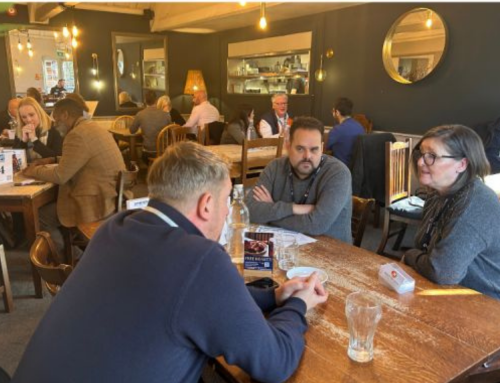
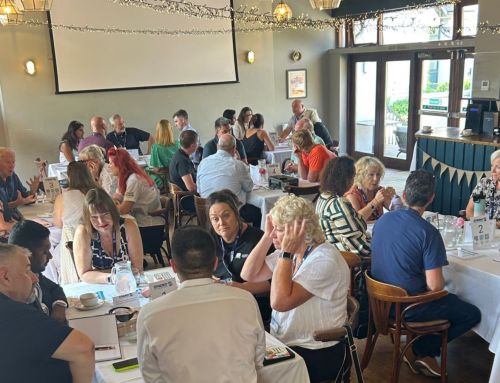
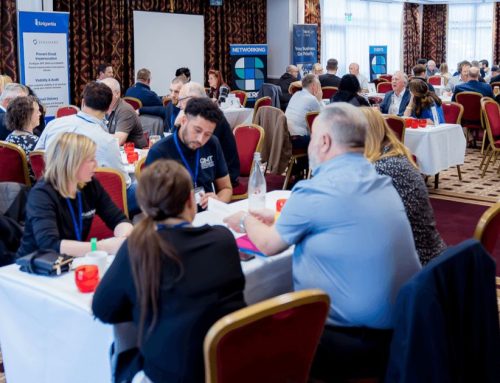
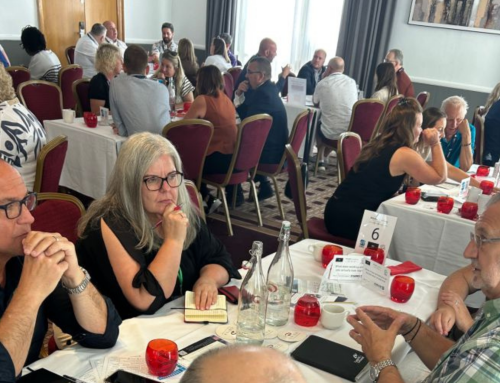
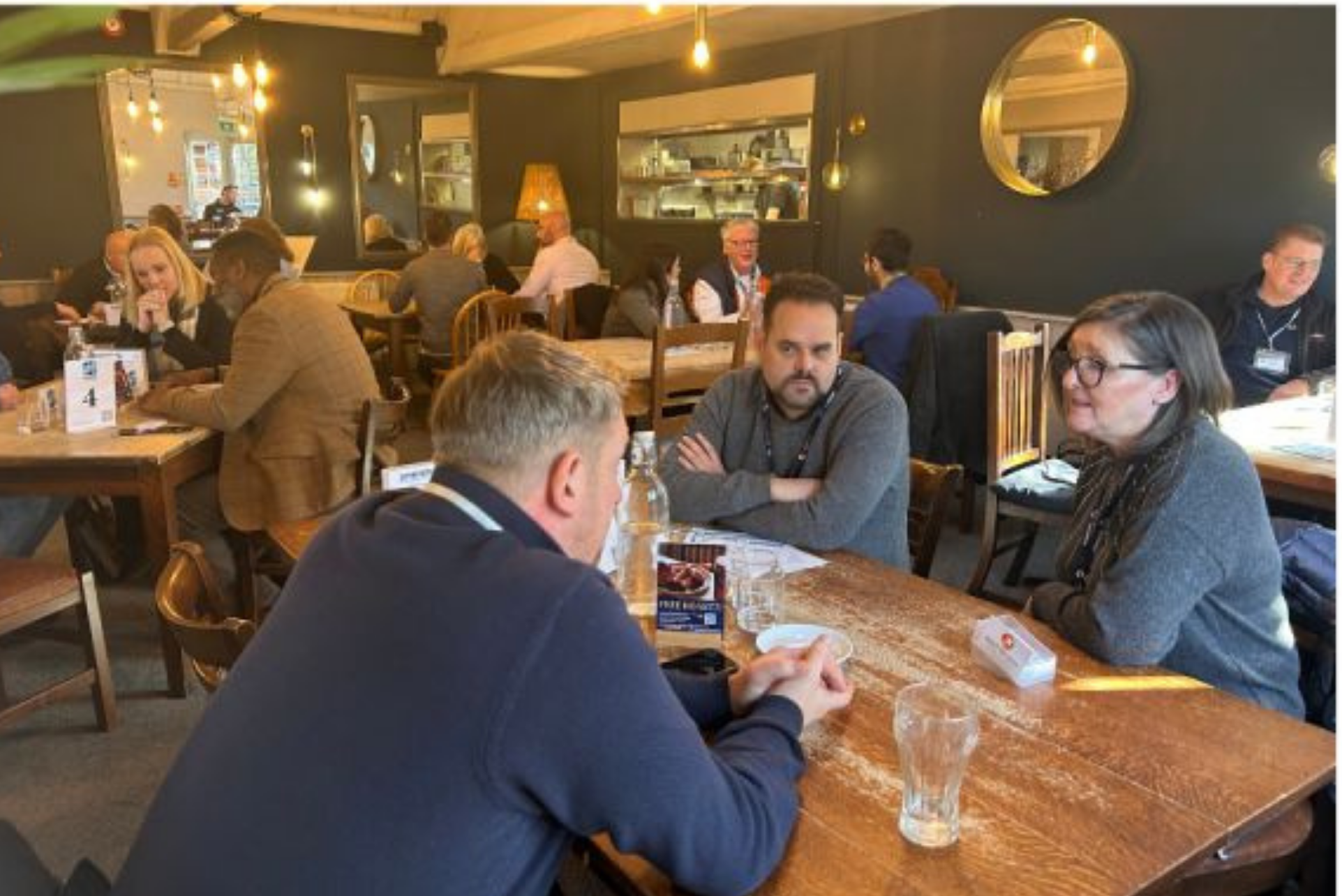
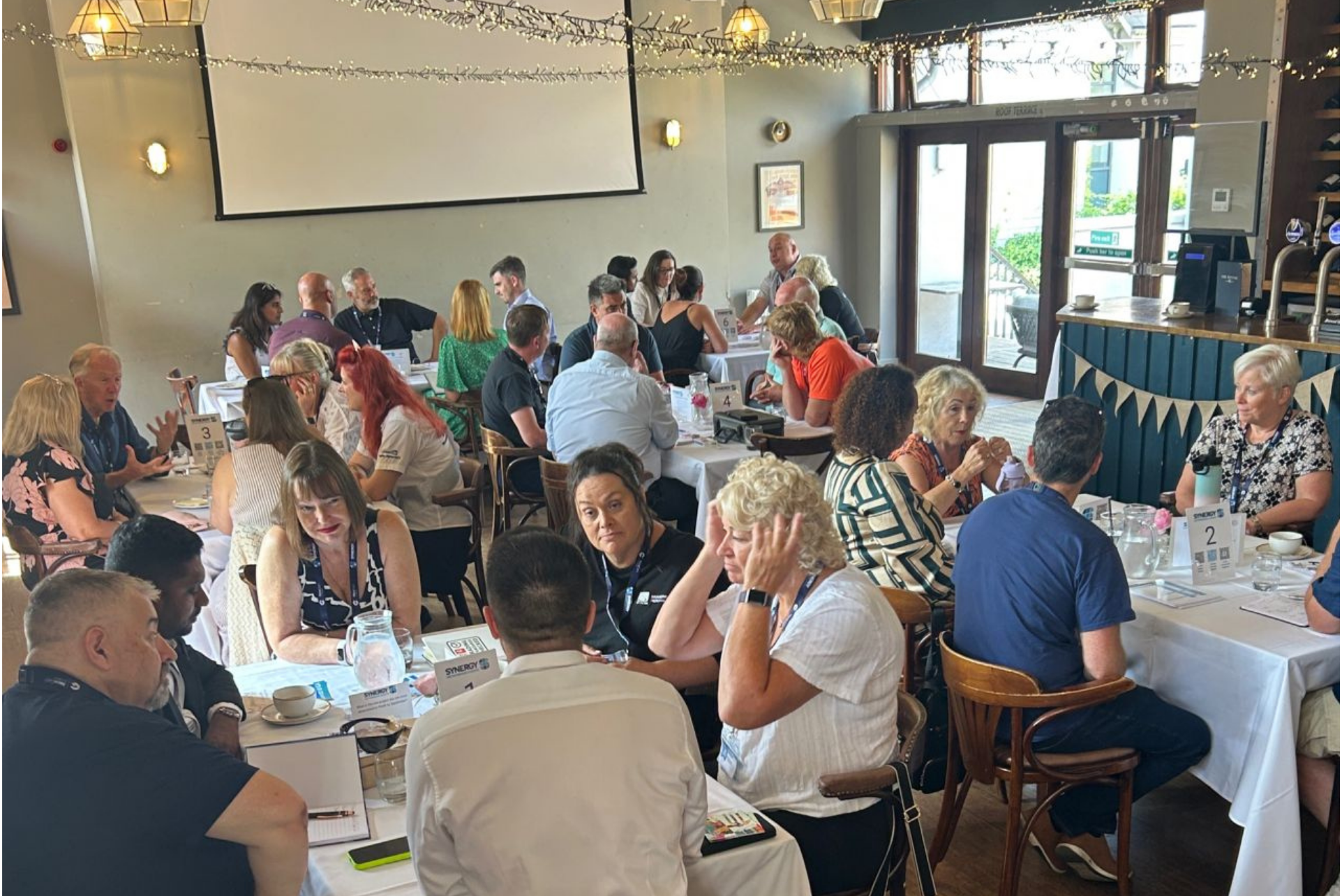
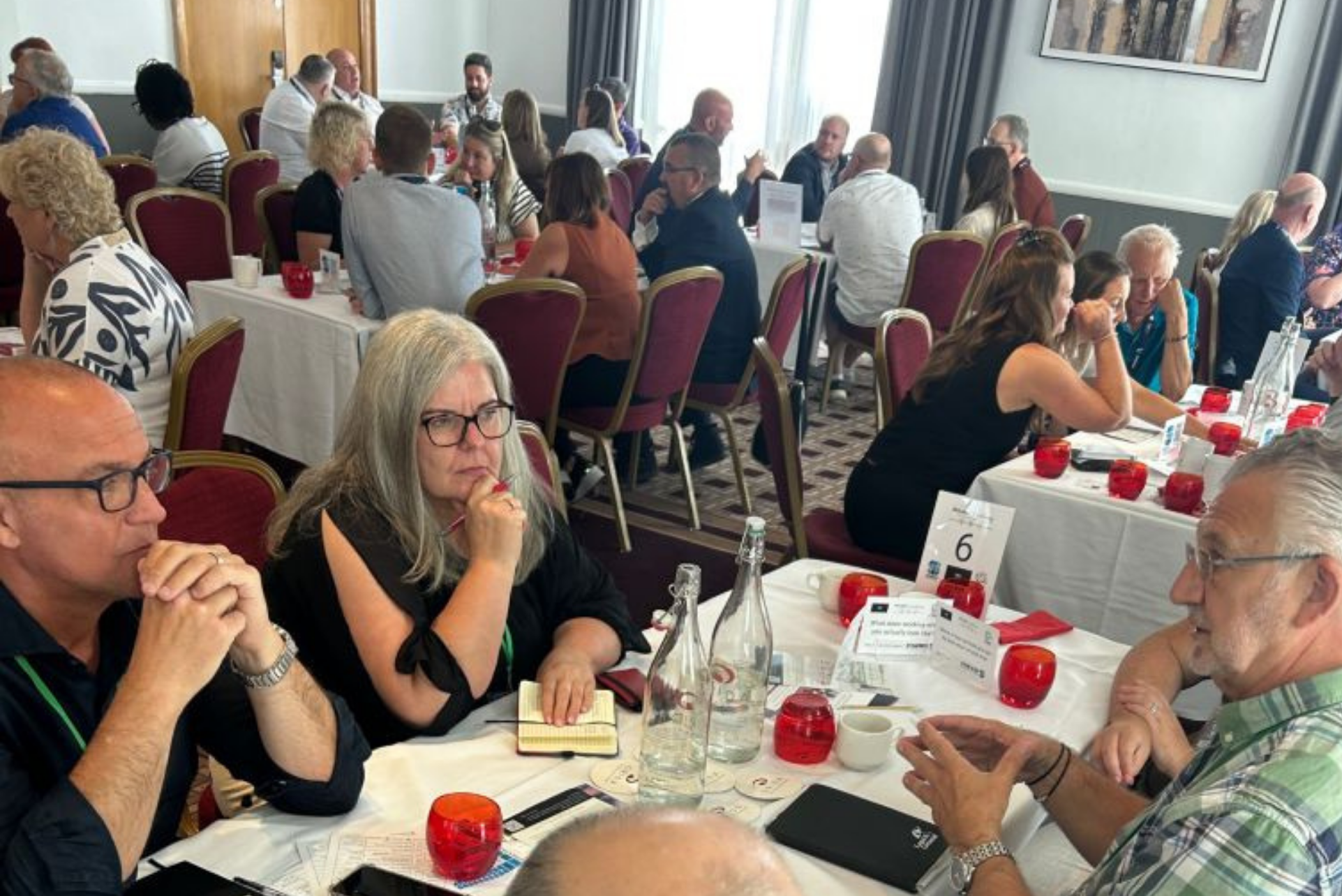
People are still making the effort to leave their office, drive across Kent, grab a coffee and spend time talking to other business owners. If AI is making communication easier than ever before, why are people still investing time in networking?
The answer, we think, is fairly simple.
Technology is changing how we work. It isn’t changing why people connect.
AI Is Changing Business, But Not In The Way Many People Think
Every major shift in technology seems to arrive with predictions about what it will replace.
Websites were supposed to replace traditional marketing. Social media was going to replace face-to-face communication. Video calls would eventually make in-person meetings unnecessary.
Yet here we are.
Businesses adapted to all of those changes, but very few completely replaced one thing with another. Instead, they added new tools to the mix and carried on doing the things that continued to work.
AI feels much the same.
The businesses getting the most value from it aren’t using it to avoid people. They’re using it to save time. Time that can then be spent elsewhere.
And that’s where networking becomes interesting.
Because when you look at what actually happens at networking events, very little of it is about information exchange. If information was all people needed, we could stay at home and search online.
What people are really looking for is perspective.
They’re looking for recommendations from people they trust. They’re looking for advice from someone who’s faced a similar challenge. They’re looking for opportunities to build relationships with local businesses and become part of a wider community.
Those are the reasons people keep turning up.
Not because they can’t find information elsewhere, but because business has always been about more than information.
It’s about people.
Why Relationships Become More Valuable When Technology Becomes Easier
One thing we’ve noticed over the past year or so is that AI is making many aspects of business more accessible.
A business owner can create a month’s worth of social media content in an afternoon. They can build marketing plans, write emails, research competitors and generate ideas faster than ever before. For small businesses especially, that’s incredibly useful.
But there’s another side to that.
When everyone has access to similar tools, certain things become easier to replicate.
A few years ago, a polished website might have been enough to stand out. Today, most businesses have one. The same can be said for social media, email marketing, and increasingly, AI-generated content.
That’s not a criticism of AI. It’s simply the reality of what happens when powerful tools become widely available.
Standing out becomes harder.
And when standing out becomes harder, relationships become more important.
Think about the last time somebody asked you for a recommendation. Chances are you didn’t immediately start comparing websites or analysing marketing campaigns. You probably thought of someone you’d met. Someone you’d spoken to a few times. Someone whose name came to mind because there was already some level of familiarity there.
That’s how a lot of business happens.
We’ve seen members receive referrals months after first meeting someone. Not because they spent six months selling to them. In many cases, they barely discussed business after the initial introduction. They simply stayed visible, attended meetings, joined conversations and gradually became known within the local business community.
It’s easy to overlook how powerful that can be.
The businesses people remember are often the businesses they recommend.
Not always. But often enough that it’s worth paying attention to.
There’s also a human side to this that technology struggles with.
Trust isn’t usually built in one interaction. It develops through consistency. People see you show up. They hear how you speak to others. They notice how you handle yourself when you’re not actively trying to win work.
Those little observations add up over time.
Most of us have experienced it ourselves. You’ve probably met someone at a networking event and thought, “I’d happily introduce them to one of my contacts.” Equally, you’ve probably met people who seemed perfectly capable but you wouldn’t feel comfortable recommending just yet.
That’s not based on technical ability.
It’s based on confidence.
And confidence is still built through human interaction.
Ironically, the more business becomes digital, the more noticeable those real-world interactions become. When so much communication happens through screens, face-to-face conversations tend to leave a stronger impression.
That’s one of the reasons we believe networking isn’t becoming less relevant because of AI.
If anything, it may be becoming more valuable.
The Unexpected Things That Happen When Business Owners Meet
One of the biggest misconceptions about networking is that it’s all about referrals.
Referrals matter, of course. Most business owners would happily accept more of them.
But if you spend enough time around networking groups, you start to realise that many of the most valuable outcomes aren’t the ones people originally came for.
A business owner might arrive looking for new customers and leave with a trusted supplier.
Someone else might discover a piece of software that saves them hours every week.
A conversation over coffee might solve a problem that’s been frustrating someone for months.
These things happen all the time.
In fact, some of the most useful conversations often take place before the meeting officially starts or after it’s finished. They’re the chats that weren’t planned. The questions that weren’t on the agenda. The moments where someone casually mentions a challenge and another person says, “Actually, I know somebody who can help with that.”
Those interactions are difficult to predict, which is precisely why they’re so valuable.
We’ve seen business owners make introductions that lead to partnerships months later. We’ve seen members collaborate on projects they never would have considered if they’d stayed within their usual circles. We’ve even seen friendships develop between people who initially thought they had very little in common.
None of those things were the purpose of the meeting when they walked through the door.
They happened because people spent time together.
That’s something worth remembering when people talk about AI replacing networking.
AI is incredibly good at processing information. It can answer questions, identify patterns, and help businesses work more efficiently. What it can’t do is recreate the environment where these kinds of organic interactions happen naturally.
It doesn’t notice that two people in a room could help each other. It doesn’t pick up on the enthusiasm in someone’s voice when they’re talking about a new idea. It doesn’t hear a passing comment and realise it might solve somebody else’s problem.
Business opportunities often emerge from those moments.
Not because anyone planned them, but because people were present when they happened.
There’s another aspect to this as well.
Running a business can be rewarding, but it can also be challenging. Most business owners spend a lot of time making decisions on their own. Sometimes it’s useful to be surrounded by people who understand what that feels like.
That sense of community is often overlooked when people talk about networking.
Yet for many members, it’s one of the reasons they keep coming back.
The referrals are welcome. The opportunities are valuable. But being part of a group where people genuinely want to see each other succeed has its own value.
You don’t really appreciate it until you’ve experienced it.
And it’s certainly not something a piece of software can replicate.
AI and Networking Work Better Together Than Apart
Perhaps the biggest mistake in this whole discussion is treating AI and networking as if they’re competing with each other.
They’re not.
They’re solving completely different problems.
AI helps businesses work more efficiently. It can speed up research, support content creation, organise information and automate tasks that would otherwise eat into the working day. Most business owners would agree that’s a positive thing.
The question isn’t whether AI saves time. The more interesting question is what happens to the time it saves.
For some businesses, that extra time can be spent serving customers better. For others, it might mean focusing on strategy, improving processes, or developing new services.
It can also create more opportunities to invest in relationships.
The business owners who seem to get the most from networking aren’t typically the ones trying to collect as many business cards as possible. They’re the ones who take the time to get to know people. They build relationships gradually, stay visible within their local business community and look for ways to help others where they can.
AI doesn’t stop any of that.
If anything, it gives people more capacity to do it.
That’s why we think the future is less about choosing between technology and human connection and more about finding the right balance between the two.
The businesses that thrive over the next few years will almost certainly embrace new technology. But they’ll also recognise that some things still work best when people sit down together and have a conversation.
That has been true for a long time, and there’s little evidence to suggest it’s changing.
So, Will AI Replace Networking?
If you’d asked someone twenty years ago what business would look like today, they probably wouldn’t have predicted many of the tools we now use every day.
Technology has transformed the way we communicate, market ourselves and run our businesses. AI is simply the latest chapter in that story.
But when you strip everything back, the fundamentals remain remarkably familiar.
People still ask for recommendations.
People still prefer working with businesses they know and trust.
People still value experience, reputation and reliability.
And people still enjoy connecting with other people.
That’s why we don’t believe AI will replace business networking.
What it will do is change the wider business landscape around it. It will make some tasks easier, some processes faster and some activities more accessible. Businesses that learn how to use those tools effectively will benefit.
At the same time, genuine human interaction may become even more valuable.
When everyone has access to similar technology, relationships become one of the few things that can’t be copied. Local connections, shared experiences and meaningful conversations remain uniquely human.
We see evidence of that every week across our networking meetings in Kent.
New members arrive looking for opportunities. Existing members catch up with people they’ve come to know over months and years. Conversations start around one topic and end somewhere completely unexpected. Advice is shared, introductions are made and ideas are exchanged.
Sometimes business comes directly from those conversations.
Sometimes it doesn’t.
But people keep turning up because the value goes beyond a simple transaction.
So rather than asking whether AI will replace networking, perhaps a better question is this:
If technology can give us more time, how can we use that time to build stronger relationships?
For us, that’s where the real opportunity lies.
If you’d like to experience that for yourself, come along to one of our networking meetings across Kent. Meet local business owners, share a few conversations and see first-hand why human connections still matter more than ever.