
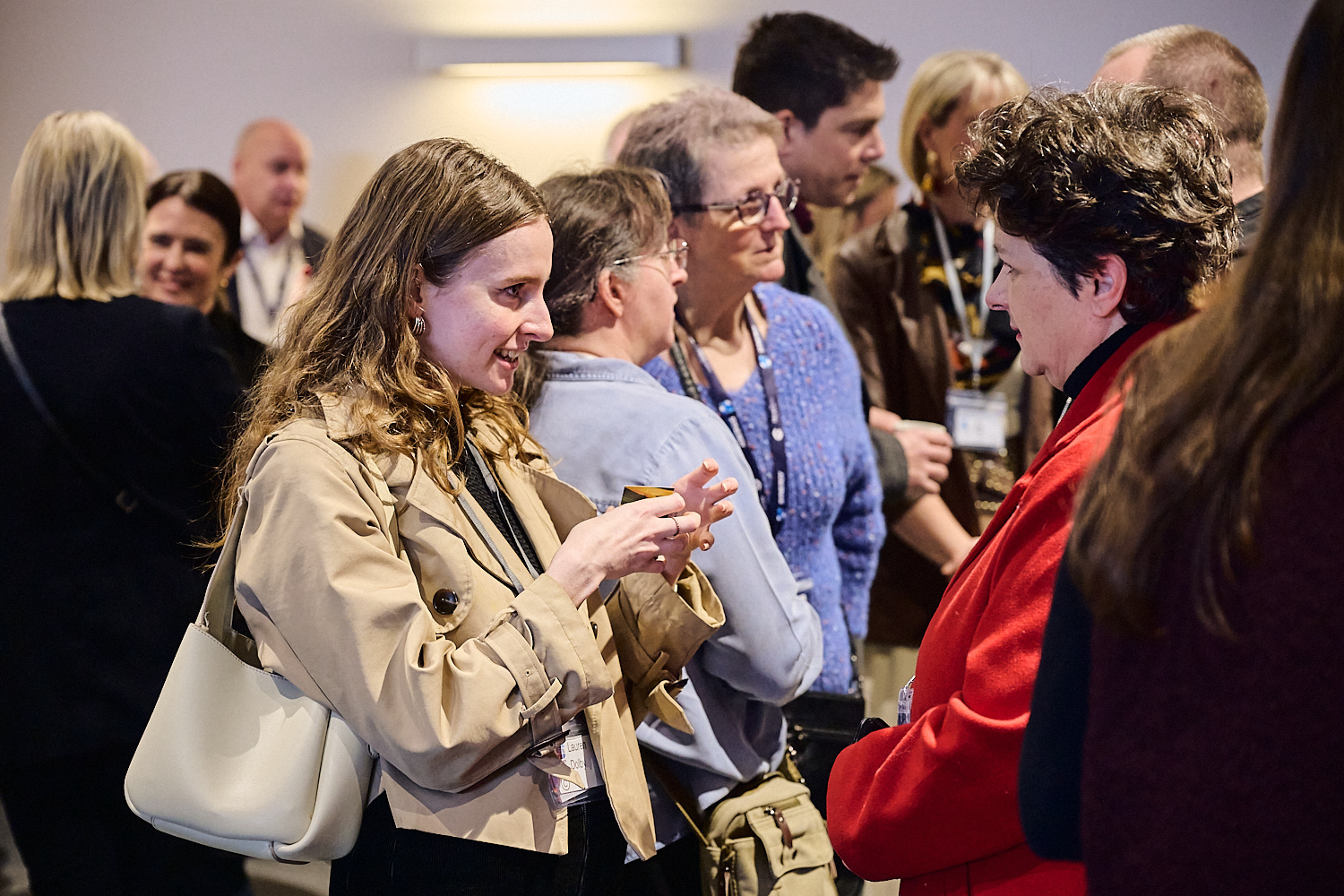
For many business owners, networking feels like something they should be doing, but not something that consistently delivers results. You attend an event, meet a few people, swap details… and then nothing really comes from it.
The difference isn’t networking itself. It’s how the event is structured, how conversations happen, and what you do afterwards.
In this guide, we’ll break down how business networking in Kent can genuinely drive growth, and more importantly, how to turn those conversations into real leads over time.
Why Business Networking Still Matters for Growth in Kent
It’s easy to assume that digital marketing has replaced face-to-face networking. In reality, the opposite is often true. The more digital things become, the more valuable genuine, in-person connections are, especially at a local level.
The Shift from Transactions to Relationships
Modern buyers don’t just choose based on price or convenience. They choose people they trust. Networking allows you to build that trust naturally over time, rather than trying to force it through cold outreach or ads.
When someone has met you, spoken with you, and understands what you do, they are far more likely to recommend you or work with you. That’s where real opportunities start to form.
The Power of Face-to-Face in a Digital World
Emails, social media messages, and websites all have their place. But they rarely create the same level of connection as a real conversation.
Meeting someone in person allows you to communicate clearly, build rapport quickly, and stand out in a way that digital channels often can’t replicate. It also gives others confidence in you as a business owner.
Why Local Networking in Kent Works So Well
Kent has a strong community of small and growing businesses that actively support each other. Many business owners prefer to work with someone local where possible, which creates a natural advantage for those who are visible in the local networking scene.
By attending events regularly, you become part of that community. And over time, that familiarity turns into opportunities.
What Makes a Networking Event Actually Generate Leads
Not all networking events are equal. Some leave you with a handful of conversations and no follow-up, while others consistently lead to introductions, referrals, and new business.
The difference usually comes down to how the event is structured and how people interact within it.
Structure vs Open Networking: Why It Matters
Unstructured networking often relies on confidence and chance. You might end up speaking to the same type of people or struggling to break into conversations.
A structured format removes that barrier. It ensures everyone gets time to speak, meet new people, and be heard. This creates a more balanced experience where opportunities aren’t limited to the most outgoing attendees.
Quality Conversations Over Quantity of Contacts
Collecting a stack of business cards doesn’t mean much if none of those conversations go anywhere.
What actually drives results is having meaningful discussions where you understand what someone does, who they work with, and how you might be able to help each other. A few strong connections will always outperform dozens of surface-level ones.
Time to Speak, Listen, and Be Remembered
At the best networking events, you’re not rushed or competing for attention. You have time to introduce yourself properly, listen to others, and ask questions.
This balance is what makes you memorable. People don’t remember a sales pitch. They remember a conversation where they felt understood.
How a Typical Kent Networking Event Works (And Why It’s Effective)
If you’ve never attended a structured networking event before, it can feel unclear what to expect. Understanding the flow helps you relax, engage properly, and get more value from the experience.
Arrival, Open Networking, and First Impressions
Most events begin with a relaxed arrival period where people can grab a drink, have some food, and start informal conversations.
This is where initial connections are made without pressure. It sets the tone for the rest of the event and helps everyone feel more comfortable before things begin.
Structured Table Rounds and Rotations
Rather than staying in one place, structured events often include table rotations. This means you’ll meet a wide range of different businesses throughout the session.
Each rotation introduces you to new people, increasing your exposure and giving you multiple opportunities to find relevant connections.
Short Introductions That Actually Work
Instead of long pitches, you’re usually given a short amount of time to explain what you do.
This encourages clarity. The most effective introductions focus on who you help and how, rather than trying to cover everything. When done well, it makes it easier for others to remember you and refer you later.
Attending an event is only the first step. Where many businesses fall short is in how they approach conversations and what they do afterwards.
Talking Too Much About Yourself
It’s natural to want to explain your business in detail, but this often leads to one-sided conversations.
The most effective networkers spend more time asking questions and understanding others. This not only builds stronger relationships but also uncovers opportunities that might otherwise be missed.
Not Asking the Right Questions
Surface-level questions lead to surface-level connections.
When you ask better questions, such as who someone typically works with or what challenges their clients face, you gain insight into how you can support them or connect them with others.
Failing to Follow Up
Many potential leads are lost simply because there is no follow-up after the event.
A quick message, a LinkedIn connection, or arranging a coffee can turn a single conversation into an ongoing relationship. Without that step, most opportunities fade away.
The Real Process: How Leads Are Actually Generated Through Networking
Leads from networking rarely happen instantly. Instead, they build over time through consistent interaction and trust.
Understanding this process helps set realistic expectations and encourages a more effective approach.
Step 1: Initial Connection at the Event
The first meeting is about awareness. People learn who you are, what you do, and whether you’re someone they’d like to stay connected with.
This stage is not about selling. It’s about making a positive impression.
Step 2: Follow-Up Conversations and 1:1 Meetings
After the event, deeper conversations often happen through follow-ups or one-to-one meetings.
This is where relationships develop. You have time to explore how you might work together or support each other’s networks.
Step 3: Referrals and Recommendations
As trust builds, people begin to refer you. This might be through direct introductions, recommendations, or simply keeping you in mind when opportunities arise.
These referrals are often higher quality because they come with built-in trust.
Step 4: Consistency Over 3–6 Months
The most consistent results come from regular attendance and ongoing engagement.
Over a few months, you become a familiar face. People understand your business more clearly, and opportunities start to appear more naturally.
Real-World Example: How a Local Business Turned Networking into Consistent Leads
To understand how this works in practice, it helps to look at a typical journey rather than a one-off success story.
The Starting Point
A local business owner begins attending networking events with no clear plan. They introduce themselves, have a few conversations, but don’t see immediate results.
Like many, they initially feel unsure whether networking is worth the time.
What Changed
Instead of focusing on selling, they start asking more questions, listening carefully, and following up after each event.
They also begin attending regularly, which allows relationships to build naturally rather than restarting each time.
The Results After 3–6 Months
Over time, people begin to recognise them, understand their business, and trust what they offer.
This leads to referrals, introductions, and consistent enquiries. What started as occasional conversations becomes a reliable source of opportunities.
How to Get the Most Value from a Kent Networking Event
Getting results from networking isn’t about doing more. It’s about approaching it in the right way and making small improvements to how you show up.
Come Prepared (But Keep It Natural)
Having a clear idea of how to explain your business helps you communicate confidently.
At the same time, it’s important to stay conversational. People respond better to natural discussions than rehearsed pitches.
Focus on Helping, Not Selling
When you approach networking with the aim of helping others, everything changes.
You become more memorable, more approachable, and more likely to be recommended. Sales often follow naturally from that mindset.
Be Consistent, Not Occasional
Attending one event won’t deliver long-term results.
Consistency is what builds familiarity and trust. Regular attendance keeps you visible and top of mind within the group.
Use Multiple Touchpoints
Networking doesn’t end when the event does.
Connecting on LinkedIn, arranging follow-ups, and staying in touch all help strengthen relationships and keep conversations moving forward.
Why a Relaxed Networking Approach Delivers Better Results
The environment of a networking event has a big impact on the outcomes. A relaxed, supportive setting often leads to stronger connections and better results.
Removing Pressure Leads to Better Conversations
When people don’t feel pressured to sell, conversations become more genuine. This allows relationships to develop naturally, which is far more effective in the long run.
Creating a Space Where Everyone Contributes
A welcoming environment encourages everyone to take part, not just the most confident voices. This creates a more balanced and engaging experience for everyone involved.
Building Long-Term Business Relationships
Relaxed networking focuses on long-term relationships rather than quick wins. These relationships often lead to repeat business, ongoing referrals, and a stronger support network. Choosing the right networking group can make a big difference to your experience and results.
What to Look for in a Networking Group
Look for events that offer structure, consistency, and a welcoming atmosphere. These elements make it easier to build relationships and get value from your time.
There are various options available, from morning meetings to evening events. This flexibility makes it easier to find something that fits around your schedule.
If you’re new to networking, starting with a more informal event can help. It allows you to experience the environment without feeling committed, making it easier to get comfortable.
Final Thoughts: From Conversations to Consistent Growth
Networking isn’t about quick wins. It’s about building relationships that lead to opportunities over time.
When you approach it with the right mindset, attend consistently, and follow up properly, it becomes a reliable way to grow your business.
If you’re looking to grow your business locally, the best way to understand the value of networking is to experience it for yourself.
Come along to a Kent networking event, meet other local businesses, and start building connections that can turn into real opportunities.