
Why Relaxed Networking Beats Formal Events for Kent Small Business Owners
Networking has a bit of an image problem. Mention a business networking event and plenty of people immediately picture name badges, rehearsed pitches and walking into a room where everyone else seems to know exactly what they’re doing.
For some business owners, that kind of environment works really well. For others, it makes something fairly simple, meeting people and finding out about their businesses, feel much harder than it needs to be.
We’ve always believed networking works better when people have the chance to get to know each other properly. That doesn’t mean doing away with structure altogether. Without any structure, it’s very easy to spend an entire evening talking to the two people you already know. But equally, if every minute is organised and every conversation is about generating a lead, you lose a lot of what makes networking useful in the first place.
That balance is what we try to create at Synergy. There’s a purpose to the evening and everyone gets an opportunity to talk about their business, but there’s also plenty of time to have normal conversations with other Kent business owners. Sometimes those conversations lead to work, sometimes they lead to an introduction later on, and sometimes you simply meet someone useful to know.
If you’ve tried networking before and decided it wasn’t really for you, it may be worth asking whether it was networking you disliked or simply the way that particular event worked.
What Do We Actually Mean by Relaxed Networking?
Relaxed networking doesn’t mean turning up, having a drink and hoping somebody gives you some business. There still needs to be a reason for everyone to be there, and in our experience a little bit of structure actually makes a relaxed event work better because everybody gets involved.
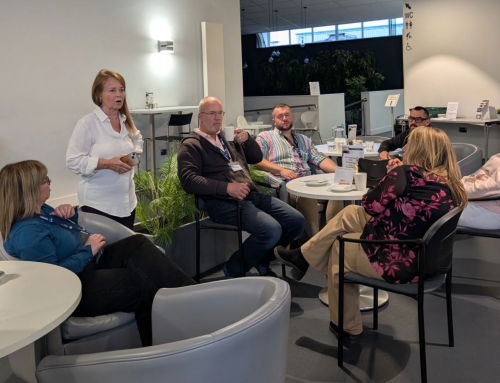
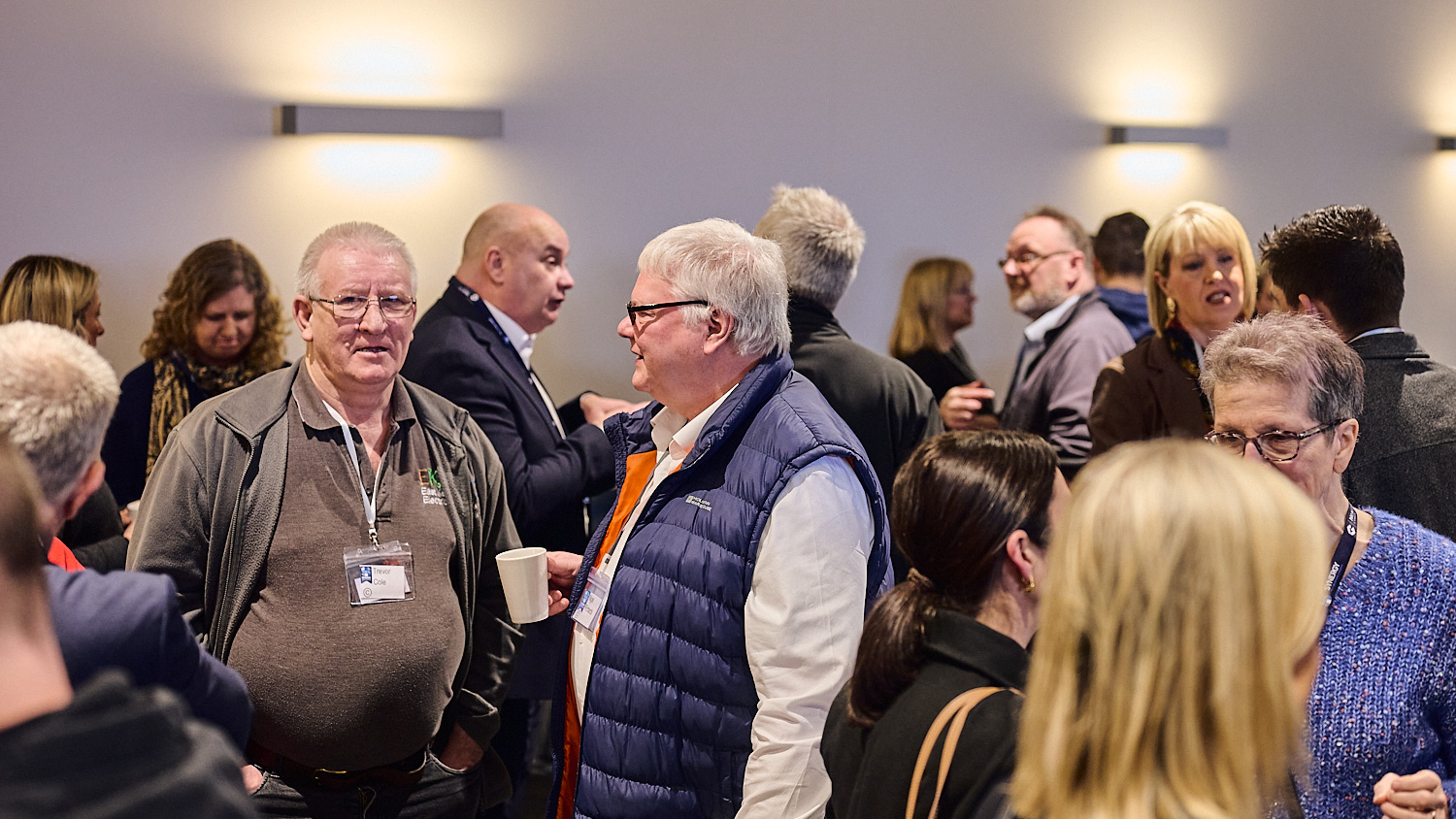
At a Synergy evening meeting, there’s normally around half an hour from the advertised start time before the sit-down networking begins. You can arrive, get something from the buffet and start talking to people without feeling as though you’ve walked straight into a meeting. If it’s your first time, that also gives you a chance to settle in before you have to tell anybody about your business.
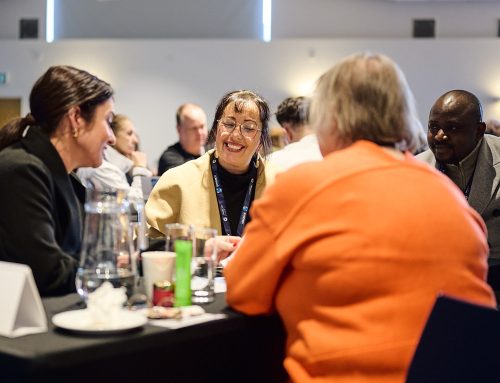
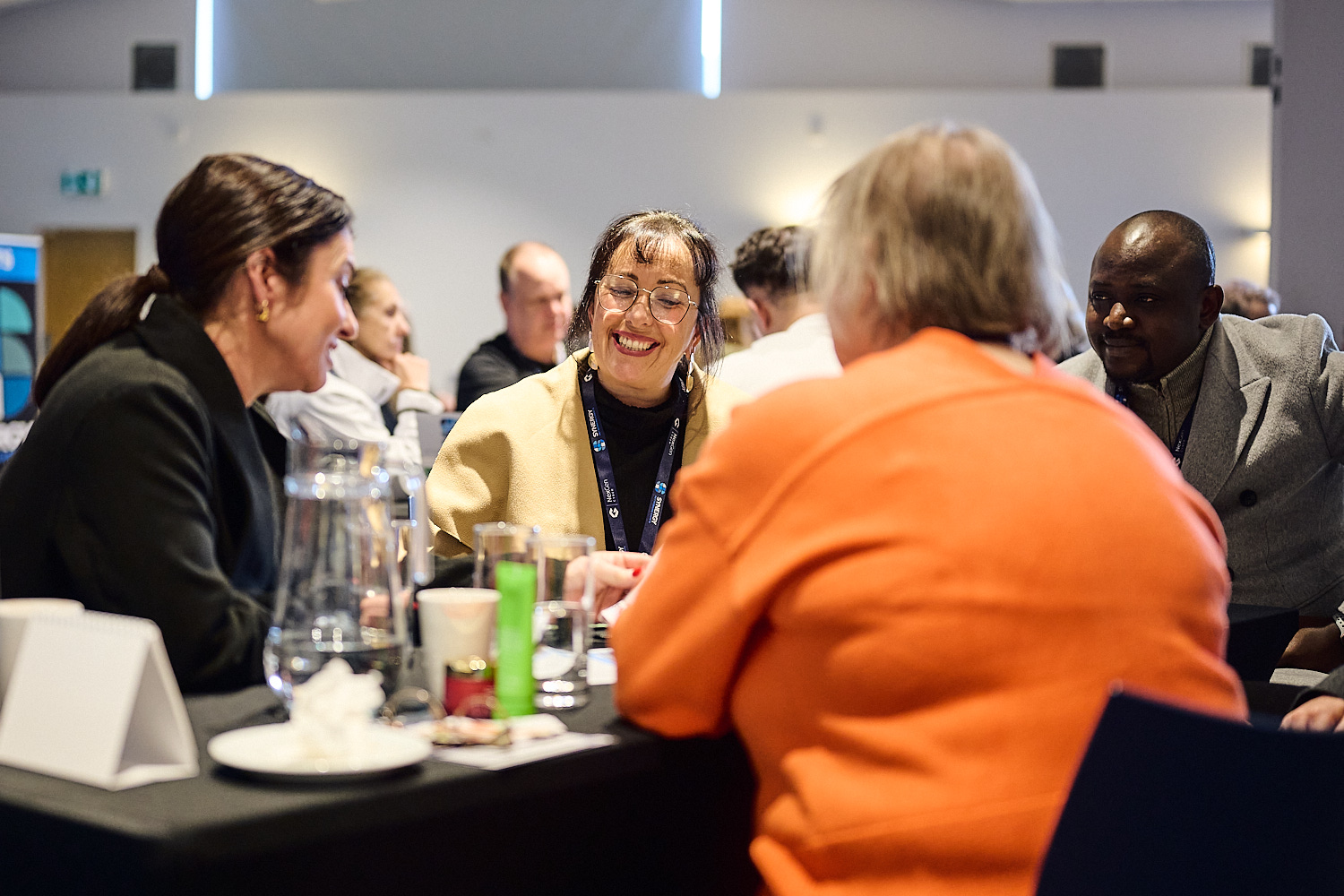
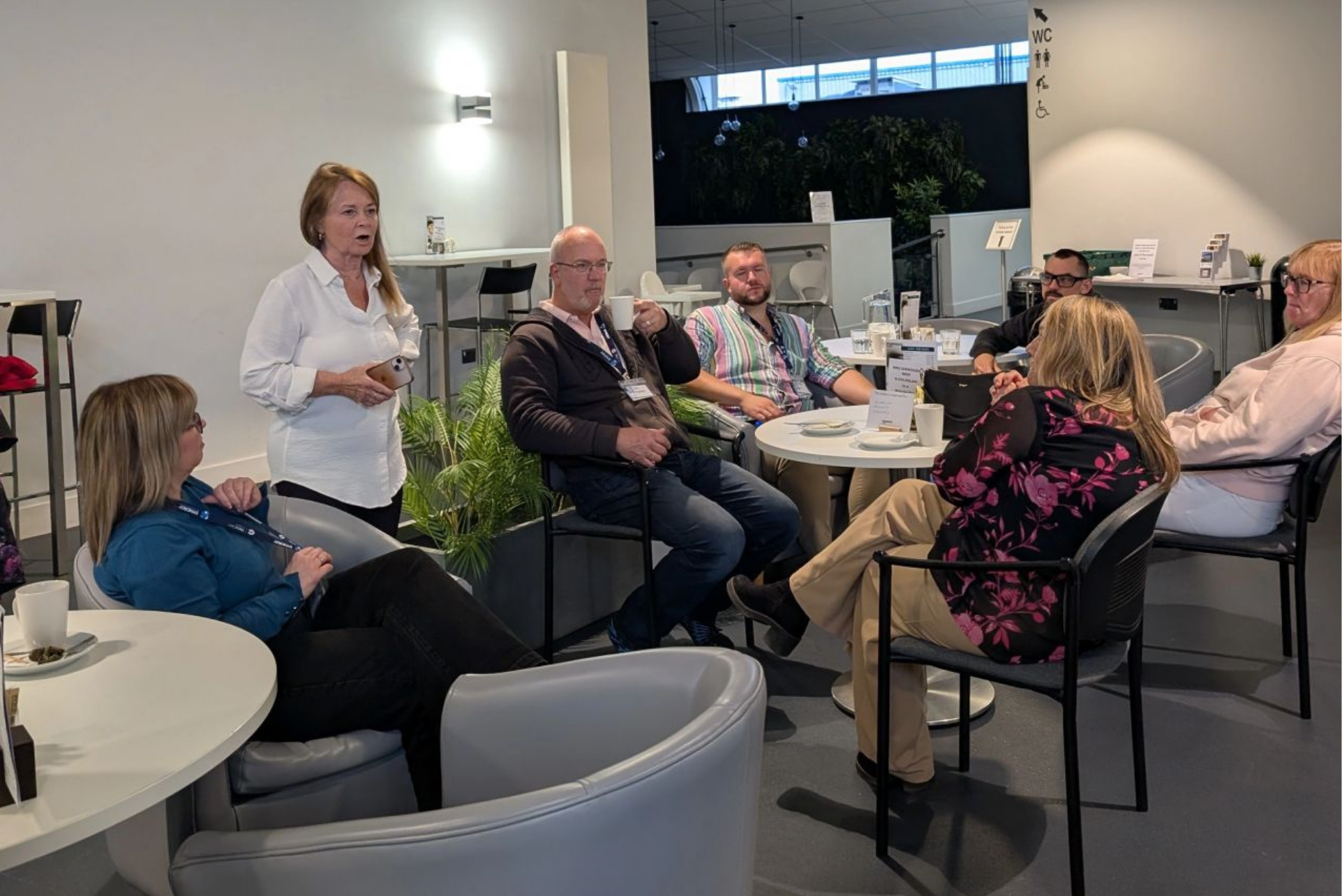
Once we sit down, you’ll usually be on a table of around six people. Everyone gets roughly three minutes to introduce themselves and talk about their business, then we change tables so you meet another group. We normally do three rounds during an event, although exactly how the tables work depends on how many people have come along.
It means you still get the opportunity to meet a good number of businesses, but you’re talking to five or six people sitting around a table rather than presenting to the whole room. For someone who doesn’t particularly enjoy public speaking, that difference can be quite significant.
The organised part also isn’t the entire evening. If you meet somebody during one of the table sessions and want to carry on the conversation afterwards, you can. Most Synergy events are around two hours, but there isn’t a moment when the networking finishes and everybody is expected to disappear.
That’s really what we mean when we describe Synergy as relaxed. It isn’t networking without structure; it’s having enough structure to make sure people actually meet each other, while leaving enough room for conversations to happen naturally.
Why Formal Networking Can Make Things Harder Than They Need to Be
There’s nothing inherently wrong with formal networking. Some business owners enjoy a tightly structured meeting, like having a prepared pitch and are comfortable working towards referrals or introductions every time they attend. If that environment suits you, it can work extremely well.
The difficulty comes when the format itself starts getting in the way of the reason you went in the first place.
A good example is the pressure people put on themselves when they know they have to introduce their business. Someone else is speaking, but instead of listening you’re mentally running through your own introduction. Have you got enough to say? Are you explaining it properly? Should you mention that other service? Then your turn comes, you get through it and realise you barely remember what the previous three people told you.
We see this particularly with people who are perfectly comfortable talking about their business in a normal conversation but suddenly feel they need to become a salesperson because they’re at a networking event. In reality, most people in the room don’t need a polished version of your business. They need to understand what you do well enough to recognise when you might be useful to somebody they know.
There can be similar pressure around what you’re supposed to get back from an event. If nobody asks for a quote or books a meeting with you that evening, it’s easy to wonder whether those two hours were worthwhile. Occasionally business does happen that quickly, but it isn’t how most good networking relationships develop.
The person sitting opposite you might never need your service themselves. A few weeks later, though, one of their customers might mention a problem that sounds very familiar. If they understood what you do and enjoyed talking to you, there’s a reasonable chance your name comes into that conversation.
That’s one of the reasons we prefer to take some of the pressure out of networking. You still need to explain your business and make an effort to meet people, but every conversation doesn’t have to end with somebody trying to sell something to somebody else.
People Need to Understand You, Not Hear the Perfect Pitch
One of the most common worries before a networking event is knowing what to say when it’s your turn. Three minutes doesn’t sound like much until you’re sitting at a table with five people you’ve never met before and suddenly all of them are looking at you.
The good news is you don’t need to fill those three minutes with a list of everything your business does. In fact, trying to cover too much can make it harder for people to remember anything useful about you afterwards. It’s far better if someone leaves the conversation understanding what you do, the type of people or businesses you help and what might make them think of you in the future.
That can be as simple as talking about something you’ve worked on recently, a problem you regularly help customers with or the sort of introduction you’d really like. We also put cards on the tables with questions and ideas to talk about, because we know three minutes can feel surprisingly long when you’re new to it. You don’t have to use them, but they’re there if your mind suddenly goes blank.
As you come along more often, those introductions tend to become easier anyway. You don’t have to introduce your entire business from scratch every month because people are starting to know you. Instead, you can talk about what you’ve been doing recently or mention an area of your work that people in the room might not know about yet. It gives everyone a better picture of your business over time, rather than hearing the same rehearsed introduction at every meeting.
That understanding is important because referrals usually happen away from the networking event itself. Someone might mention a few weeks later that they’re looking for an accountant, photographer, electrician or marketing company, and one of the people you’ve met thinks of you. They can only do that if they’ve understood enough about your business to know that you’re relevant.
There’s trust involved as well. Most of us are fairly careful about who we recommend because our own reputation is attached to that introduction. Meeting someone regularly, hearing more about their work and getting to know them as a person makes it much easier to say, “I know somebody you should speak to,” and actually mean it.
Something else happens once people have been networking together for a while too: they often become better at talking about each other’s businesses than their own. Most people aren’t particularly comfortable telling a room how good they are at what they do, whereas someone who has used their services or got to know them has no problem recommending them.
That’s a much stronger position to be in than simply becoming very good at delivering a networking pitch.
Relaxed Networking Still Needs Some Structure
A relaxed networking meeting should have energy in the room. People will laugh, ask questions and occasionally discover halfway through a conversation that they both know the same customer or have worked with the same business. We wouldn’t want to take that away by making everything overly formal.
There does still need to be a bit of respect for how the meeting works, though. If somebody has their three minutes to talk, let them have it. It’s very easy to hear something interesting and immediately jump in with your own experience, but suddenly a minute of somebody else’s time has disappeared. Save the question and pick it up with them afterwards.
This matters particularly for quieter people and anyone attending their first few events. Someone who has been networking for years might be perfectly happy dealing with interruptions, but if you’ve spent the last ten minutes wondering what you’re going to say, being talked over halfway through isn’t going to make the experience any easier.
The smaller tables help here. Rather than one person presenting to a large room, everyone gets the same opportunity to speak to a handful of people sitting around them. Once everyone has had their turn, we move around and meet another group. It gives quieter attendees space to be heard without having to compete with the most confident people in the room.
There is a trade-off with any networking format. Remove all the structure and people naturally gravitate towards the faces they already know, which isn’t particularly helpful if the reason you came was to make new connections. Add too much structure and you can make every interaction feel forced.
For us, the useful bit sits somewhere between the two. Make sure people mix, make sure everybody gets heard, then give them enough freedom to decide which conversations they want to continue.
The Best Conversations Often Happen Around the Networking
The table sessions are useful because they give you a quick understanding of who’s in the room and what everybody does. Quite often, though, something somebody says during those three minutes is really just the beginning of a conversation.
You might hear someone describe a problem they solve and realise one of your customers has been talking about exactly that. Someone else might mention the type of business they’re hoping to meet and you immediately know who you could introduce them to. Neither conversation needs to interrupt the table; you can find each other afterwards and talk properly.
It happens before the structured networking too. Having around half an hour at the beginning of the evening means people can get some food, find a seat and chat while everyone is arriving. Those conversations tend to be quite different because nobody is trying to fit what they want to say into a set amount of time. You might end up talking about business, but equally you might start by talking about where you’ve travelled from, somebody you both know or something completely unrelated.
That isn’t wasted networking time. Getting to know people is part of the point.
The same applies at the end of the evening. If you’ve met somebody during one of the table rotations and there’s clearly more to discuss, there’s no reason to stop because the organised part has finished. Some of the most useful conversations happen then because you already know enough about each other to have something specific to talk about.
Not every one of those chats will turn into work, and they don’t need to. You might find a supplier you need yourself, get some useful advice from another business owner or discover that two people in the room really ought to know each other. Sometimes you simply have a good conversation with someone and remember them the next time you meet.
That familiarity can seem like a small thing, but it’s how a room full of businesses gradually starts to feel like a network.
Why Keeping Your Networking Local Matters
There’s a practical advantage to knowing other Kent based business owners in the area where you work. At some point, either you or one of your customers will need an accountant, solicitor, designer, tradesperson, photographer, IT company or one of the many other services that keep a business running. Being able to think of somebody you’ve actually met is very different from searching online and choosing a name you don’t know.
The same works in the other direction. You may not be the person somebody at a networking meeting needs today, but their customers, suppliers, friends and other business contacts extend well beyond the people sitting in the room. That’s where a local network can become much bigger than it first appears.
Kent is particularly good for this because the business communities across the county overlap. People work in one town, live in another and have customers spread across several more. You might meet someone at one Synergy location and then see them again somewhere else a few months later, alongside a completely different group of businesses.
Synergy has meetings in several locations across Kent, with each location generally meeting once a month. That means you can stick with the meeting closest to you and get to know that group well, or visit other locations when it suits you and gradually widen your network. There’s no expectation that you need to be everywhere.
And local networking can still be worthwhile if most of your customers aren’t based in Kent. A Kent-based business owner may work with customers all over the UK, and the people they know certainly aren’t limited by county boundaries. The value of meeting locally is that it gives you somewhere practical to build the relationship in the first place.
There’s another side to it which is easy to overlook. Running a small business can sometimes be quite isolating, particularly if you work alone or spend most of your week with customers rather than other business owners. Having people locally who understand the odd frustrations and challenges of running a business can be useful even when nobody is buying or selling anything.
What If You Turn Up and Don’t Know Anybody?
This is probably the part people worry about more than the actual networking.
You arrive on your own, walk into the room and immediately notice groups of people already talking. From the outside, it can look as though everybody knows everybody else. Some of them probably do know each other because they’ve been coming for a while, but there will usually be people who have only attended once or twice and others who are completely new too.
A networking group should make it easy for you to become part of the room rather than leaving you to work it out for yourself. At Synergy, the time before we sit down helps with that. You can get something to eat, settle in and start with a normal conversation before the more structured part begins.
If you are nervous about coming alone, arriving reasonably near the start can actually make things easier. Walking into a room once it’s already busy can feel more daunting, whereas earlier on there are fewer conversations already happening and it’s easier to join one.
There’s no need to set yourself a target of speaking to everybody either. Trying to collect as many business cards as possible usually gives you lots of names and very little idea who any of them are the following morning. Have a few decent conversations instead. Ask people what they do, how long they’ve been coming to Synergy or what brought them along. You’ll normally find the conversation takes care of itself from there.
By the time the table networking starts, you’ll also be moved around and introduced to more people anyway. You don’t have to spend the first half hour frantically working the room because you’re worried you’ll miss somebody.
The first event will naturally feel different from the fifth or sixth. Once you start recognising faces, you walk into the room knowing there will be somebody to talk to. Of course, the trick then is remembering to introduce yourself to the person standing there for the first time rather than only catching up with the people you already know.
How Do You Know If Networking Is Actually Working?
This can be difficult to judge because networking doesn’t always give you an immediate return that you can neatly measure.
If somebody asks for a quote at your first meeting, brilliant. If they don’t, that doesn’t mean the evening achieved nothing. Equally, we wouldn’t suggest attending networking indefinitely without ever getting anything useful from it simply because “relationships take time”. Your time has value, especially when you’re running a small business.
A better way to judge it is to look at what starts changing after you’ve attended a few times. Are people remembering what you do? Are conversations continuing from one meeting to the next? Have you made introductions for other people, or have they started making them for you? Are you meeting businesses you genuinely wouldn’t have come across otherwise?
Over time, you’d hope to see something come back from that. It might be a direct enquiry, a referral, a collaboration or even finding a supplier who solves a problem in your own business. Not every useful outcome appears as a new customer, although ultimately networking should be contributing something worthwhile if you’re investing your time in it regularly.
It’s also worth paying attention to how the meetings themselves feel. If you spend the whole event being sold to, nobody seems interested in understanding anyone else’s business and new people are largely ignored, attending for another six months probably isn’t going to transform the experience.
On the other hand, if you’re having good conversations, people are beginning to recognise you and you can see relationships developing, it’s worth giving those connections time. Recommendations tend to become easier once somebody has seen you more than once and understands enough about your business to know when an introduction makes sense.
There isn’t a magic number of meetings after which networking suddenly starts working. Some people make a useful connection on their first visit; for somebody else, an introduction might come months later. What matters is whether the network is gradually becoming useful in both directions rather than whether you managed to make a sale before you went home.
Relaxed Networking Won’t Suit Absolutely Everyone
We’re naturally going to favour relaxed networking because it’s how we’ve chosen to build Synergy, but that doesn’t mean it’s the right format for every business owner.
Some people prefer a more formal group with strict agendas, referral targets and clearly defined expectations about what members should bring to each meeting. They enjoy that accountability and know exactly what they’re there to achieve. There’s nothing wrong with that, and if it gets you regularly meeting other businesses and building useful relationships, then it’s doing its job.
A relaxed event still asks something of you. You need to turn up, talk to people you haven’t met before and listen when they tell you about their business. It can be tempting once you’ve attended a few times to spend the whole evening catching up with the people you already know, but comfortable networking isn’t much use if you stop making new connections altogether.
The question is really what sort of environment helps you do those things consistently. If you’re happier having conversations around a table than delivering a pitch to a room, you’re probably going to attend more often, be more yourself when you’re there and get to know people better.
That’s when networking starts to feel less like something you should be doing for your business and more like a useful part of running one.
Not Ready for a Networking Meeting? Try Netwalking
Even after everything we’ve said about making networking relaxed, we know that walking into a business event can still feel like quite a big first step. If you’ve never networked before, or you’ve had an uncomfortable experience somewhere else, you might not be ready to book an evening meeting straight away.
Our free netwalking events offer another way in.
There’s something about walking alongside somebody that makes conversation easier. You’re not sitting around a table waiting for your turn to speak and there’s no presentation to prepare. You walk, talk and naturally find yourself chatting with different local business owners as you go.
It’s still networking, just in an even more informal setting.
For somebody who isn’t sure whether Synergy is for them, a netwalk gives you the chance to meet people from our network and get a feel for the community without putting yourself under any pressure to achieve something from it. You might come away thinking you’d quite like to try one of the regular meetings next. If nothing else, you’ve spent some time with other Kent business owners and hopefully had a good walk.
Because our netwalking events are free, they’re also a simple starting point if you’re curious about networking but not quite ready to commit to anything.
Come and See What Relaxed Networking Is Actually Like
There’s only so much you can tell about a networking group from reading about it.
You really find out what it’s like when you walk into the room, start talking to people and see how comfortable you feel there. You might discover that networking is much easier than you expected once the pressure to perform has been taken away.
You don’t need to arrive with a perfect pitch or a pocket full of business cards. Have a reasonable idea of how you’d explain what you do, be interested in the other people you meet and see where the conversations go.
If that sounds more like your kind of networking, come along to one of our Synergy meetings across Kent and see what it’s all about. Or, if you’d rather start somewhere even more relaxed, join us for a free netwalk and make a few local connections along the way.